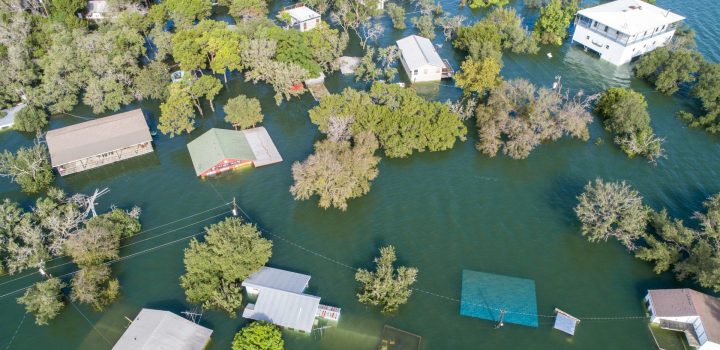
Recent climate events have shown how heavy rain, storms and strong winds can cause destructive flooding, roofs being torn off and damage to buildings. Not long ago, in 2016, the Louvre had its basement cleared as an emergency measure because of the risk of the River Seine flooding. But there is no need to look so far afield: it is only a year since the floods of the Guaíba River caused incalculable damage in Porto Alegre, forcing the closure of cultural institutions in the city centre and the emergency movement of artworks to upper floors.
Examples such as these show how changes in rainfall patterns and the frequency of extreme events can be critical for the safekeeping of artworks, meaning that institutions and collectors have to adopt prevention and security strategies.
First of all, it is essential to know the geographical and climatic conditions of the region and to study what extreme effects may occur as a result of climate change. The buildings that house collections should undergo periodic maintenance of roofs, gutters and drainage systems, since heavy rain can overload inadequate structures.
Among the preventive measures that can be adopted is the relocation of artworks to upper floors when there is a risk of flooding. Bulky or fragile items should be in safe areas or ready for rapid transport. Artworks more susceptible to damage, such as wood, paper and photographs, should be given priority in any removal.
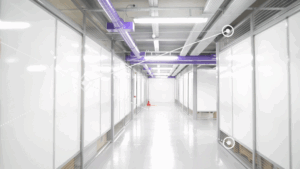
A safe alternative is to move the collection to a warehouse specialising in artworks such as Clé Reserva Contemporânea, whose warehouses are kept in the ideal conditions of humidity, fire prevention and security for the storage of collections.
Discover our solutions and talk to a specialist.